The narrow strip along the side of your house is one of the most overlooked spots in the entire yard, yet it is often the first thing guests glimpse when they walk toward your front door. Most homeowners let it collect weeds, forgotten toys, or a tired patch of patchy grass, not realizing that a little attention there pays off in curb appeal and everyday enjoyment. The good news is that side yards are small, which means every project is budget-friendly and finishes in a single weekend. Whether your strip is sunny, shady, or somewhere in between, these fourteen ideas will help you turn it into a polished, purposeful part of your landscape.
Narrow Flower Bed Border

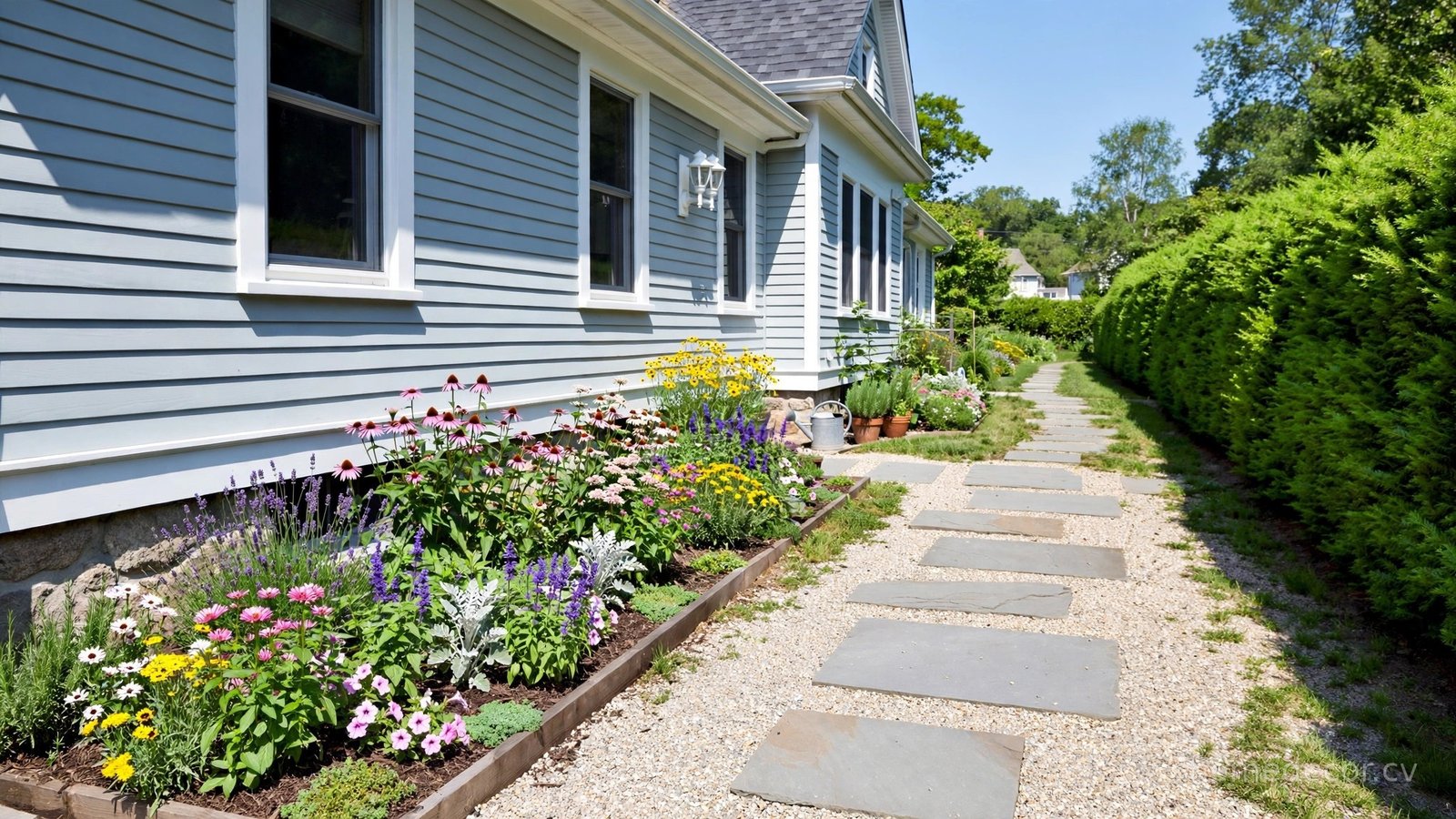
A simple flower bed border running the length of your house instantly makes the side yard feel intentional instead of forgotten. Start by edging a two-to-three-foot bed along the foundation with metal or stone edging, which keeps grass from creeping in and gives the whole strip a crisp, finished line. Fill it with a layered mix of perennials like coneflowers, black-eyed Susans, and daylilies, tucking shorter annuals such as marigolds or alyssum along the front edge for season-long color. Because the bed is narrow, you only need a handful of plants, so even premium varieties stay affordable. Mulch everything with two inches of shredded bark to hold moisture and smother weeds.
I spend far too much time saving home ideas.
If you'd like the best ones, I'll send a short email once or twice a month.
Watering is easy since the bed sits close to the house, and you can extend a soaker hose along the back of the bed for nearly hands-free care. Choose plants suited to your light conditions, and remember that south-facing side yards bake in the afternoon sun while north-facing ones stay cool and shady. A narrow border also gives you the perfect place to try that plant you have been eyeing without committing to a huge garden. Within one growing season, this single project can transform a weedy eyesore into the prettiest path guests take toward your door, proving that small spaces reward thoughtful planting.
Gravel Pathway with Stepping Stones

A gravel pathway with stepping stones turns a muddy side-yard shortcut into a charming garden walk that feels designed rather than worn in. Begin by marking the natural route people already take, then lay landscape fabric to block weeds before spreading three inches of pea gravel or decomposed granite. Set large, flat stepping stones or pavers into the gravel with small gaps between them, keeping the tops flush so the path is comfortable to walk on. The loose gravel fills around each stone, creating a soft crunch underfoot that feels wonderfully cottage-like. This project typically costs less than a hundred dollars and takes a single afternoon.
The beauty of a gravel path is how forgiving it is, since there is no concrete to crack and no mortar to maintain. If a stone settles unevenly, you simply lift it, add gravel underneath, and set it back down. Edge the path with low metal edging or a row of bricks to keep the gravel from migrating into the lawn. For evening charm, tuck a few solar path lights along the edges so the walkway glows after dark. Guests will naturally follow the inviting path, and you will wonder why you waited so long to replace that worn dirt trail with something this lovely.
Tall Privacy Hedge
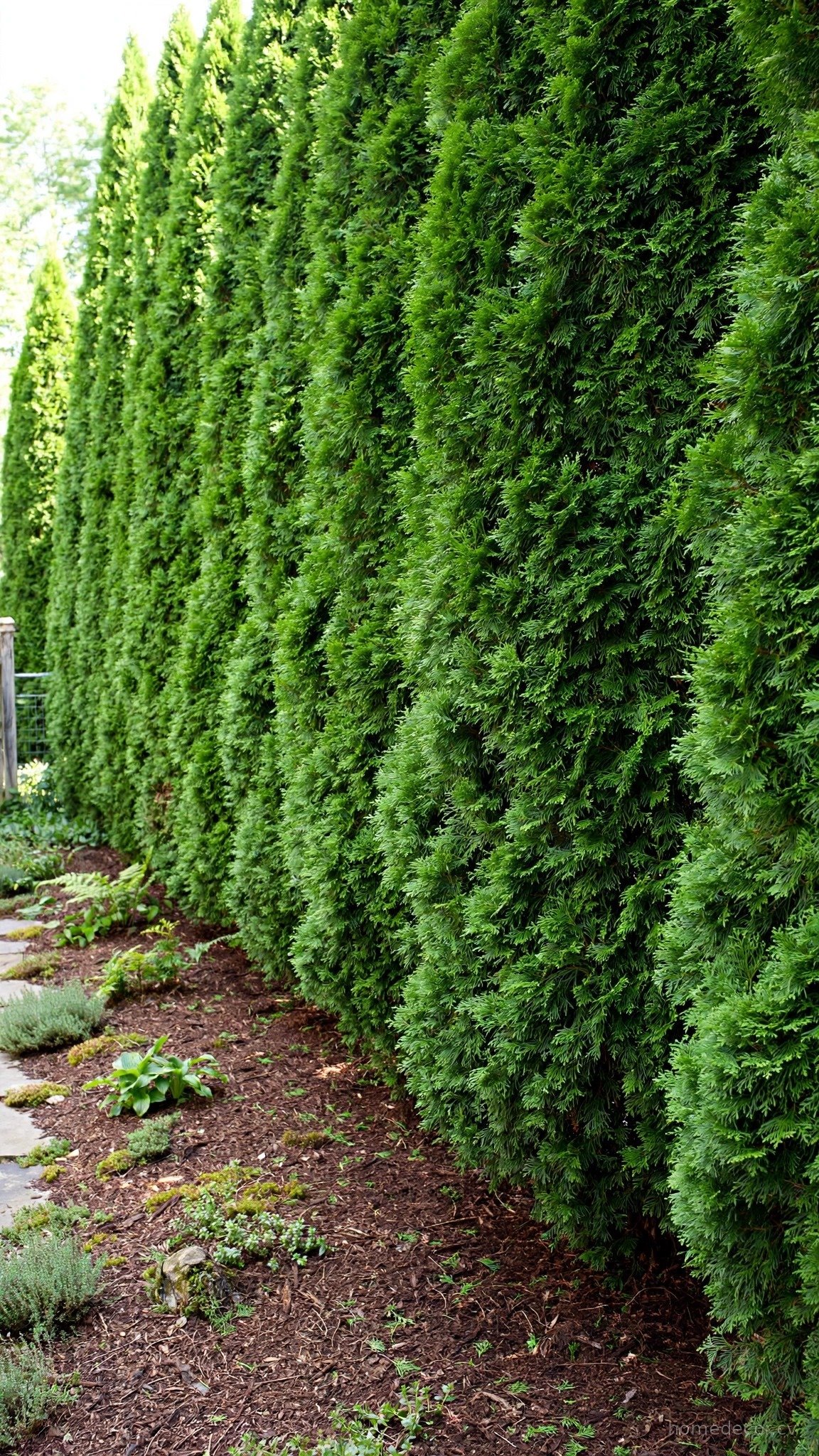
A tall privacy hedge along the side property line solves two problems at once by hiding an awkward view and making the whole yard feel more secluded. Fast-growing evergreens like arborvitae, Leyland cypress, or skip laurel create a living wall within two to three growing seasons when planted at the spacing recommended on their tags. Stagger two rows for a fuller screen, and water deeply during the first year so roots establish quickly. Unlike a fence, a hedge softens sound, filters dust, and gives birds a place to nest, which makes the garden feel alive. Choose a variety rated for your hardiness zone so winter does not undo your work.
Maintenance is simpler than most people fear, since a once-a-year shearing in late spring keeps most hedge varieties tidy. If you dislike formal clipped lines, let the plants grow into a loose, natural screen that needs even less attention. A hedge also adds real value to your home because buyers consistently rank privacy as a top outdoor priority. Plant it a few feet inside the property line so you can access both sides for trimming without stepping on the neighbor’s lawn. Within a couple of years, that overlooked side strip becomes a green retreat you enjoy every day. Water new plantings deeply twice a week through their first summer, and refresh the mulch each spring to keep roots cool.
Vertical Trellis Garden

When the side of your house is too narrow for deep beds, a vertical trellis garden lets you grow up instead of out. Mount a sturdy wooden or metal trellis a few inches off the siding so air circulates behind it, then train climbing plants like clematis, jasmine, or climbing roses to cover it. In just one season, a bare wall becomes a living tapestry of flowers and fragrance that completely changes how the space feels. For edible options, try pole beans, cucumbers, or even compact squash varieties that happily climb. The footprint stays under a foot wide, which makes this perfect for the tightest side yards.
A trellis garden also protects your home by keeping foliage slightly off the siding, which reduces moisture problems and makes painting easier later. Choose rot-resistant cedar or powder-coated metal so the structure lasts for years, and anchor it firmly since a mature vine gets heavy. Add a drip line at the base so watering takes seconds, and mulch the narrow bed to keep roots cool. If your side yard is shady, climbing hydrangea or shade-tolerant clematis varieties still thrive. This single vertical feature can become the focal point that makes the whole side of your house feel designed. Check ties each spring and loosen any that dig into growing stems, replacing worn twine before new growth begins.
Low-Maintenance Rock Garden

A rock garden is the answer for side yards where grass refuses to grow, whether from deep shade, poor soil, or constant foot traffic. Start by clearing the weeds and laying landscape fabric, then arrange a mix of large boulders and smaller river rocks in natural-looking clusters. Tuck drought-tolerant plants like sedum, creeping thyme, and ornamental grasses into the pockets between stones, and finish with a layer of pea gravel or crushed granite. The result looks like a mountain stream bed and needs almost no water once established. Because there is no lawn to mow, your weekend chores shrink dramatically.
Rock gardens age beautifully, since the stones develop character while the plants fill in the gaps over time. Choose rocks in tones that complement your home’s exterior, and vary the sizes so the arrangement looks natural rather than staged. A few solar uplights tucked behind the largest boulders create dramatic shadows after dark. This approach also solves drainage problems because gravel and stone let water percolate instead of pooling against your foundation. If you want a side yard that looks great in every season with barely any effort, a rock garden is hard to beat. Top up the gravel every couple of years as it settles, and pull the occasional weed before it sets seed.
Side Yard Vegetable Patch
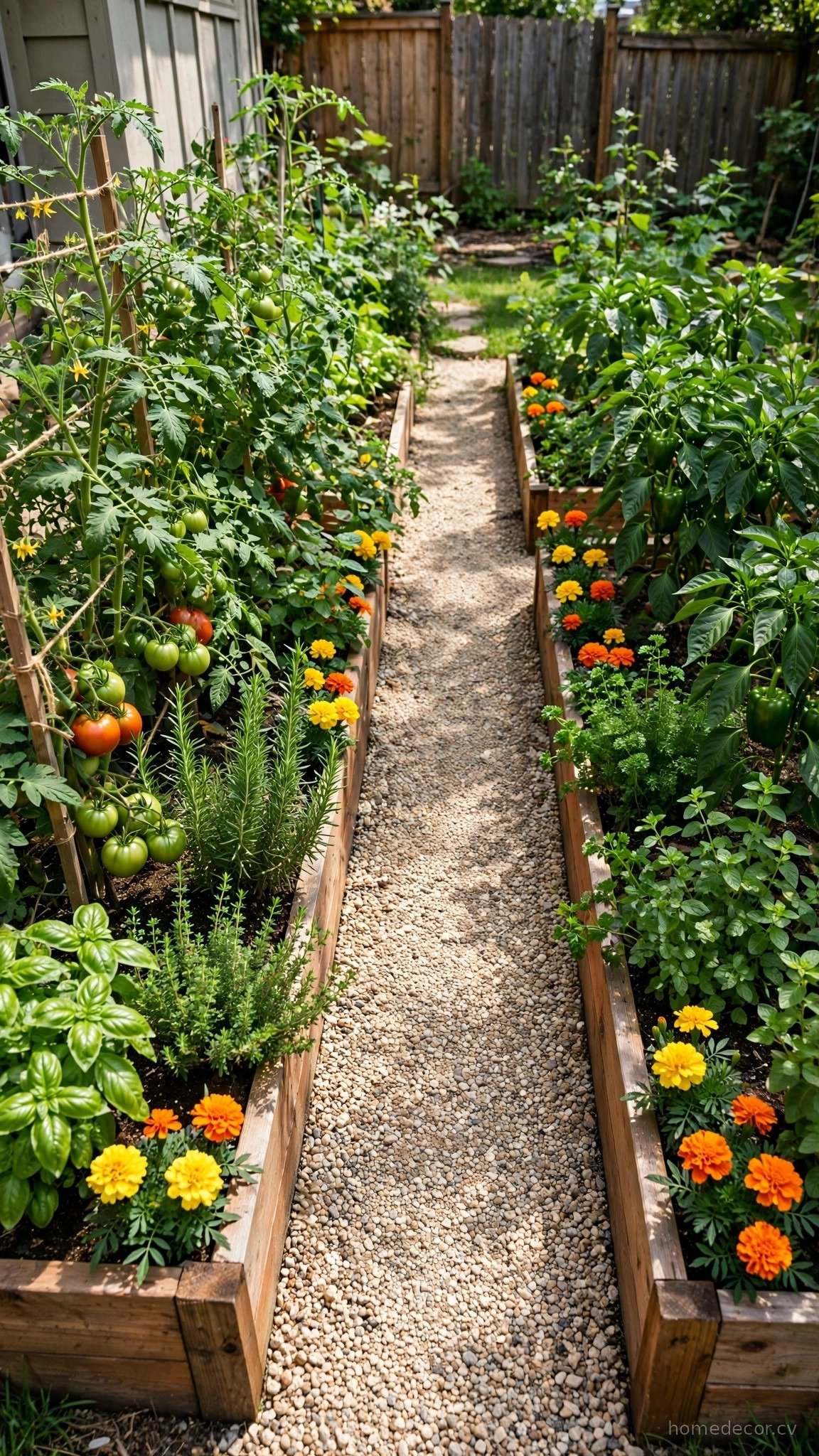
A side yard vegetable patch turns wasted space into a productive kitchen garden that pays you back in fresh produce. Raised beds are ideal here because they fit narrow strips, warm up early in spring, and let you control the soil quality completely. Build two three-by-six-foot cedar beds, leaving a path between them wide enough for a wheelbarrow, and fill them with a rich mix of compost and topsoil. Tomatoes, peppers, lettuce, and herbs all thrive in raised beds, and you can tuck marigolds along the edges to deter pests naturally. If the side yard gets at least six hours of sun, your harvest will surprise you.
Keep a rain barrel at the corner of the house so watering is convenient, and add a simple trellis at the north end for peas or cucumbers without shading the rest. Because the beds are small, weeding takes minutes rather than hours, which makes this garden realistic for busy people. Kids love having their own square to plant, and there is nothing like stepping outside to snip fresh basil for dinner. A tidy vegetable patch also impresses neighbors far more than a weedy strip ever could. Start small your first year, learn what grows well, and expand next season with confidence.
Outdoor Lighting Along the Fence

Outdoor lighting along the side fence transforms a dark, forgotten corridor into a magical evening walkway that feels safe and welcoming. Solar stake lights are the easiest option since they need no wiring, and modern versions stay bright for hours after a full day of sun. Space them six to eight feet apart along the fence line or path edge, alternating sides for a natural rhythm rather than a rigid runway look. For a warmer glow, hang string lights from fence posts or drape them through a trellis overhead. The light draws the eye along the space, making even a narrow strip feel generous after dark.
Good lighting also adds security by eliminating the dark hiding spots that side yards often become. Motion-sensor flood lights near gates and corners give bright light only when needed, which saves energy and startles nothing but raccoons. Choose warm-white bulbs around 2700K for a cozy feel rather than harsh blue-white security lighting. If you entertain outdoors, the lit side path becomes part of the party route instead of a zone guests avoid. This is one of the cheapest upgrades with the biggest nighttime impact, and installation takes less time than hanging a picture. Wipe solar panels monthly with a damp cloth so they charge fully, and replace rechargeable batteries every two years.
Climbing Roses on a Trellis

Climbing roses on a trellis bring old-fashioned romance to the side of your house with armloads of blooms from late spring through fall. Choose a disease-resistant variety suited to your climate, and plant it at the base of a sturdy trellis or obelisk set a foot away from the siding. As the canes grow, fan them out horizontally and tie them loosely, since horizontal canes produce far more flowers than vertical ones. Feed monthly during the growing season and deadhead spent blooms to keep new buds coming. By the second year, the trellis disappears under a curtain of color and fragrance that stops visitors in their tracks.
Roses do demand a bit more attention than some plants, but the payoff in blooms is unmatched for the effort involved. Water at the base rather than overhead to prevent fungal problems, and mulch well to keep roots cool and moist. In cold climates, choose hardy varieties or plan to protect the canes over winter with burlap. The vertical display draws the eye upward, which makes narrow side yards feel taller and more gracious. Pair the roses with lavender or catmint at the base for a classic cottage combination that practically takes care of itself once established. Prune lightly in late winter to remove dead wood, always wearing thick gloves since healthy canes carry serious thorns.
A Secret Side Patio Nook

A secret side patio nook turns the most private part of your yard into a personal retreat for morning coffee or evening reading. Because side yards are naturally sheltered, they make wonderful hidden seating areas that feel worlds away from the street. Lay a simple pad of pavers or flagstone just large enough for two chairs and a small table, then screen it with tall planters, a lattice panel, or a row of ornamental grasses. Add an outdoor rug, a few throw pillows, and a lantern, and suddenly the forgotten strip is your favorite spot in the house. The whole project can cost less than a weekend getaway.
The key to a great nook is making it feel discovered rather than placed, so let plants spill over the edges and keep the furnishings relaxed. A small water feature or wind chime adds soothing sound that masks neighborhood noise. If the space is shady, embrace it with a hammock chair and shade-loving hostas for a cool hideaway on hot days. String lights overhead make it usable after sunset and impossibly charming. You will find yourself inventing reasons to step outside, and guests will be delighted when you lead them around the corner to your secret garden. Sweep the pavers each spring and re-sand the joints every few years to keep the nook looking crisp.
Decorative Fence Upgrade

A decorative fence upgrade gives the entire side yard an instant facelift because the fence is usually the largest visual element in the space. If a full replacement is not in the budget, start by power-washing the existing fence and applying a fresh coat of exterior stain in a rich cedar or modern charcoal tone. Add simple trim like a top cap rail or lattice topper, which are inexpensive but make a plain fence look custom-built. For chain-link fences, thread privacy slats or grow fast vines through the links for a quick transformation. Even small upgrades change how the whole strip reads from the street.
Consider mixing materials for a designer look, such as wood panels between black metal posts or a horizontal slat section that contrasts with traditional vertical pickets. A fence in good condition also signals to neighbors and buyers that the property is well cared for, which lifts perceived value beyond the side yard itself. While you are at it, hang a few planters or a piece of outdoor art on the fence to break up long blank runs. Set aside one weekend, and this single project can make every other side-yard improvement look twice as good. Inspect the fence each spring for loose boards or leaning posts, fixing small problems before they become costly.
Rain Chain and Downspout Garden

A rain chain and downspout garden turns a functional necessity into a beautiful water feature that anchors the side yard. Replace a plain downspout with a copper or brass rain chain, which guides water down in a shimmering cascade instead of a boring pipe. Direct the flow into a shallow dry creek bed of river rocks or a small rain garden planted with moisture-loving natives like iris and Joe Pye weed. During storms, the chain sings and sparkles, turning rainy days into something you actually look forward to watching. It is a small change with an outsized visual and sensory reward.
This project also protects your foundation by moving water away from the house in a controlled, attractive way. Dig the creek bed so it slopes gently away from the siding, and line it with landscape fabric under the stones to keep weeds down. Surround the feature with plants that tolerate both wet feet and dry spells, since rain gardens swing between the two. If you have already dressed up your [front yard landscaping](https://homedecor.cv/front-yard-landscaping-ideas/), a rain chain garden extends that polished feeling around the corner. Guests always ask about it, and you get to explain the cleverest downspout they have ever seen.
Shade-Loving Fern Beds

Shade-loving fern beds are the elegant solution for side yards that never see direct sun, where grass struggles and weeds thrive. Japanese painted ferns, ostrich ferns, and autumn ferns unfurl in layered fronds of green, silver, and burgundy that look lush from spring through fall. Plant them in generous drifts rather than single specimens, spacing according to the tag so they knit together into a flowing carpet within two seasons. Tuck in a few hostas or astilbe for contrasting leaf shapes and summer flowers. A thick layer of leaf mulch mimics the forest floor they love and keeps maintenance near zero.
Ferns ask for almost nothing once established beyond consistent moisture during dry spells, which makes them perfect for low-effort gardeners. Their fine texture contrasts beautifully with the hard lines of siding and fences, softening the whole corridor. Add a simple stone bench or a birdbath among the fronds to give the bed a destination, and consider one of our favorite [DIY bird bath ideas](https://homedecor.cv/diy-bird-bath-ideas/) for a charming focal point. In autumn, many ferns turn golden before going dormant, extending the show. If your side yard is dark and damp, stop fighting it and plant a fern paradise instead. Divide overcrowded clumps every three years in early spring, sharing extras with neighbors who admire your shade garden.
Potted Plant Corridor

A potted plant corridor is the most flexible side-yard makeover because every container can move, swap, or refresh with the seasons. Line the path or foundation with a mix of large statement pots and smaller clustered containers, varying heights with plant stands or overturned crates for a professional look. Fill them with a thriller-filler-spiller formula: something tall like ornamental grass, something mounding like petunias, and something trailing like sweet potato vine. Because pots warm up fast, you can plant weeks earlier than in-ground beds. When a plant fades, you simply replace that one pot instead of reworking a whole bed.
Containers also let renters and commitment-phobes garden without digging a single hole. Choose frost-proof pots in your climate, and group them in odd numbers for the most natural look. A drip irrigation line snaked through the pots makes watering effortless, and wheeled saucers let you chase the sun or shelter tender plants. For small-space inspiration beyond the side yard, our [small patio decorating ideas](https://homedecor.cv/small-patio-decorating-ideas/) show how containers transform tight spots. Refresh the plantings each season, and the corridor never looks tired. It is instant garden gratification with training wheels. Feed containers with diluted liquid fertilizer every two weeks in summer, since watering washes nutrients out quickly.
Mulched Bed with Ornamental Grasses
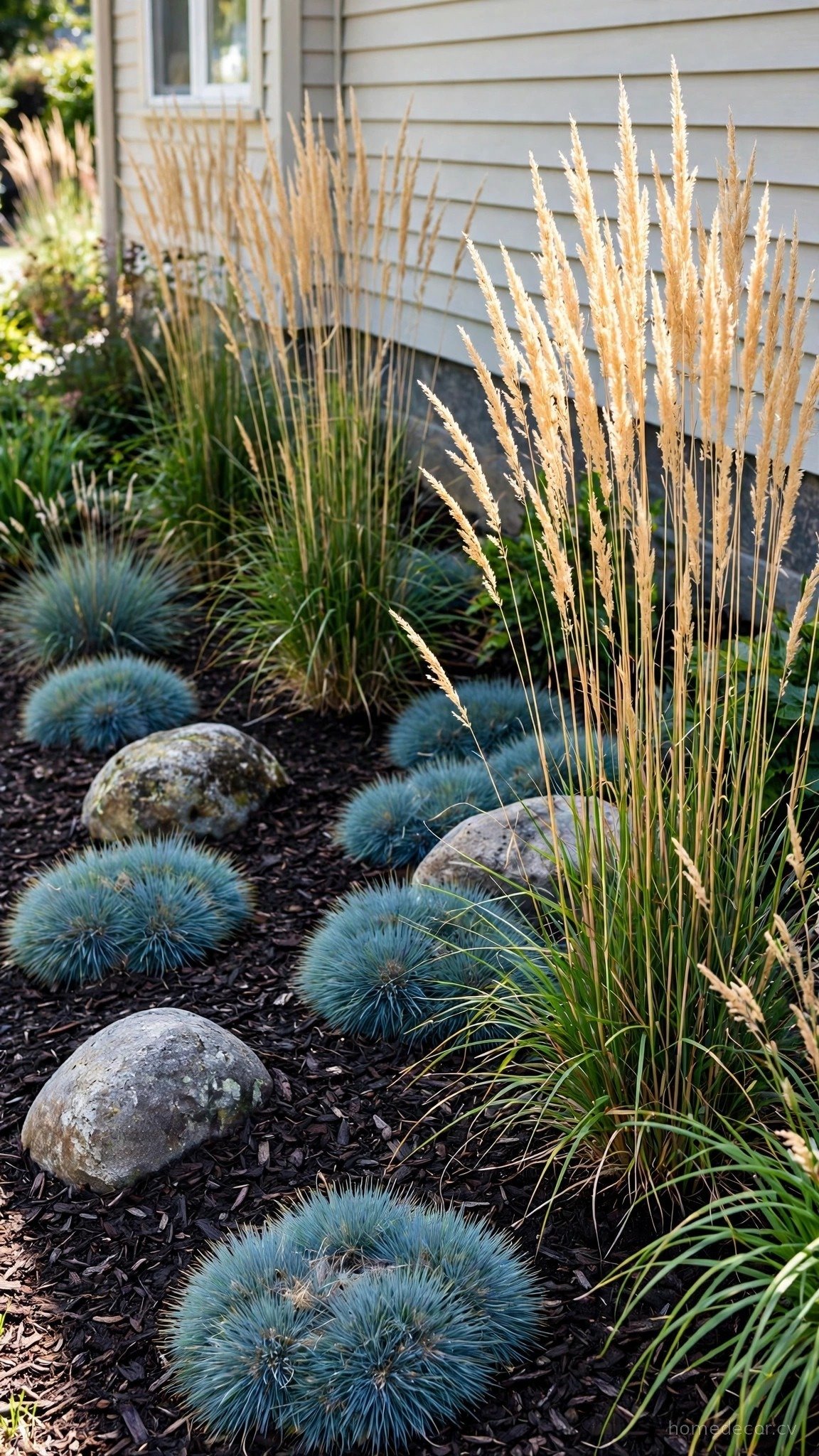
A mulched bed with ornamental grasses brings movement and modern texture to the side of your house with almost no upkeep. Varieties like Karl Foerster feather reed grass, blue fescue, and Japanese forest grass offer upright plumes, silvery mounds, and cascading color that sway beautifully in the breeze. Plant them in a wide mulched bed along the foundation, spacing generously since grasses fill in fast, and top the soil with dark bark mulch for sharp contrast. They need no deadheading, shrug off pests, and look good from spring emergence through winter’s frosty seed heads. One annual cutback in late winter is the entire maintenance routine.
Ornamental grasses are also remarkably tough, tolerating poor soil, drought, and the heat reflected off siding that fries fussier plants. Their vertical lines draw the eye along the house, making the architecture look intentional and the strip feel wider. Leave the seed heads standing through winter for four-season interest and habitat for beneficial insects. Pair them with a few boulders or a simple bench for a composed, designer feel. If you want maximum impact for minimum effort, this is the side-yard planting that landscape professionals reach for again and again. Cut old foliage down in late winter before new shoots emerge, and divide large clumps every three to four years.