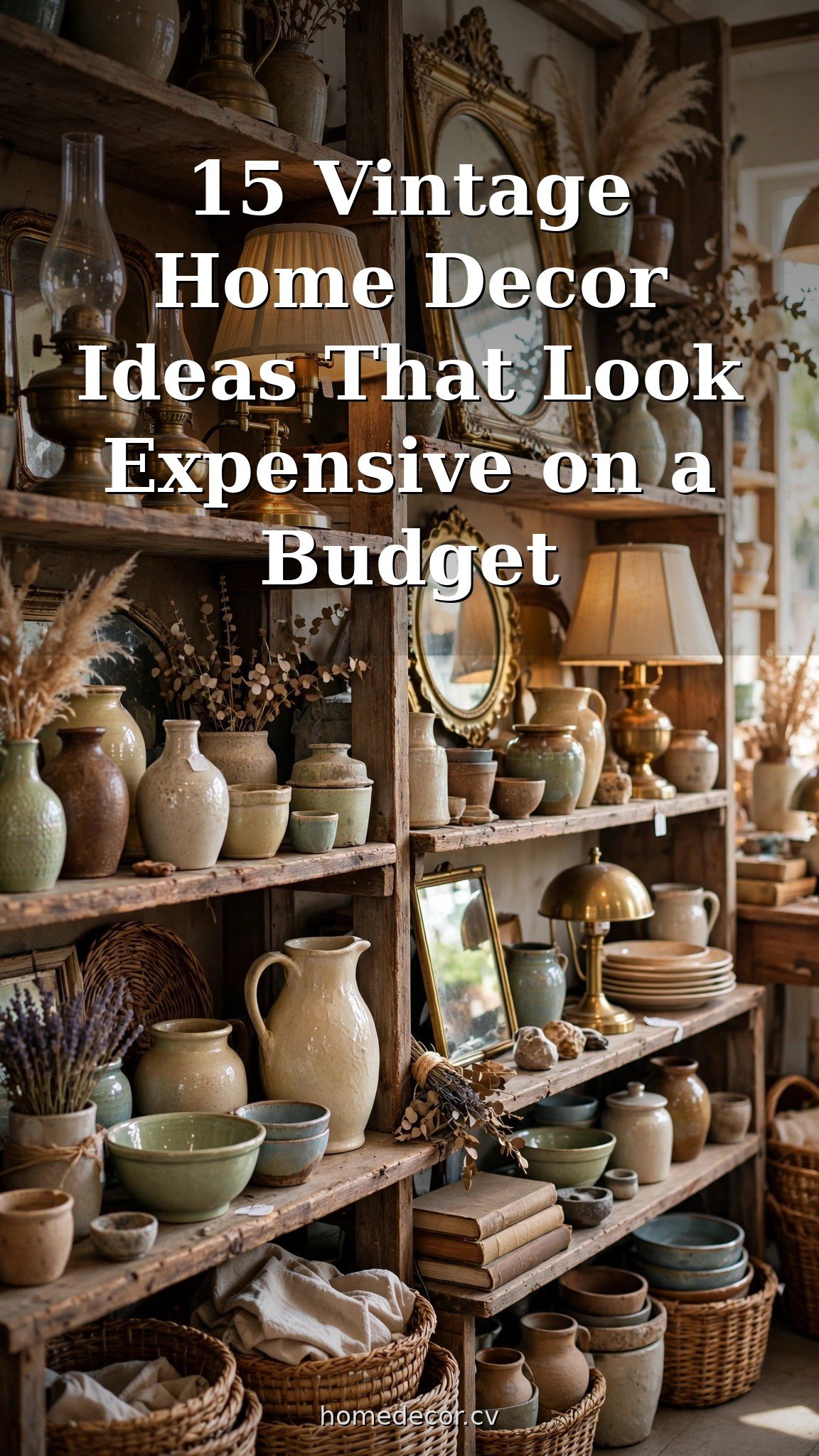
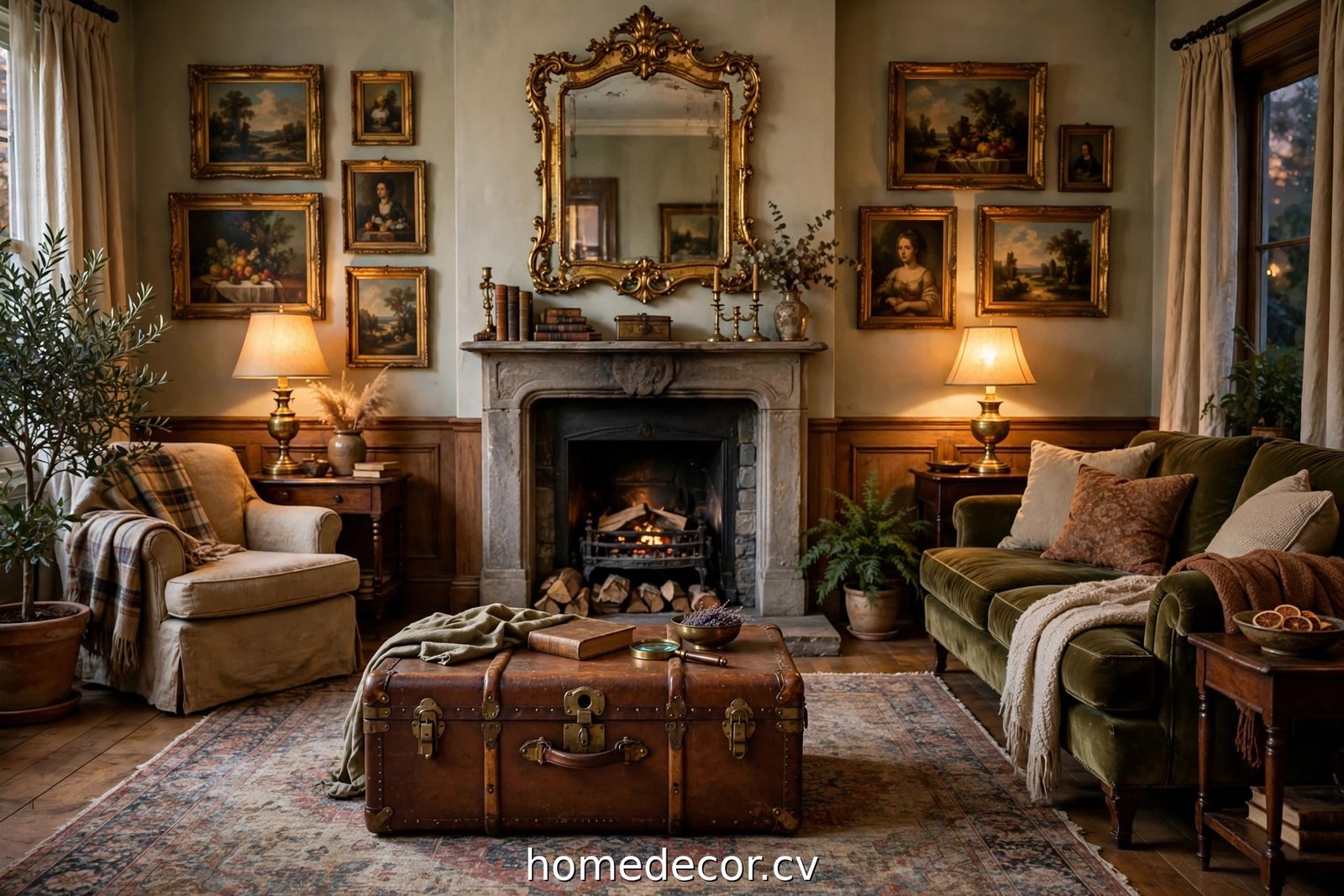
Nothing makes a home feel personal like pieces with a past. These vintage home decor ideas are about hunting down character — the brass lamp with the perfect patina, the mirror that’s seen a century of rooms, the trunk that becomes your coffee table — and mixing it all with what you already own.
Vintage decorating is also the ultimate budget strategy. Estate sales, thrift stores, and flea markets sell solid wood, real brass, and genuine craftsmanship for less than the particleboard equivalent at big-box stores. You just need to know where to look, what to grab, and how to blend old with new so it looks curated, not cluttered.
Ready to hunt? These 15 Budget Friendly Boho Living Room Ideas Full of Soul pair beautifully with vintage finds, and these 17 Gallery Wall Ideas for Beginners (With Layout Templates) are perfect for showing off vintage art.
Where to Find the Best Vintage Home Decor
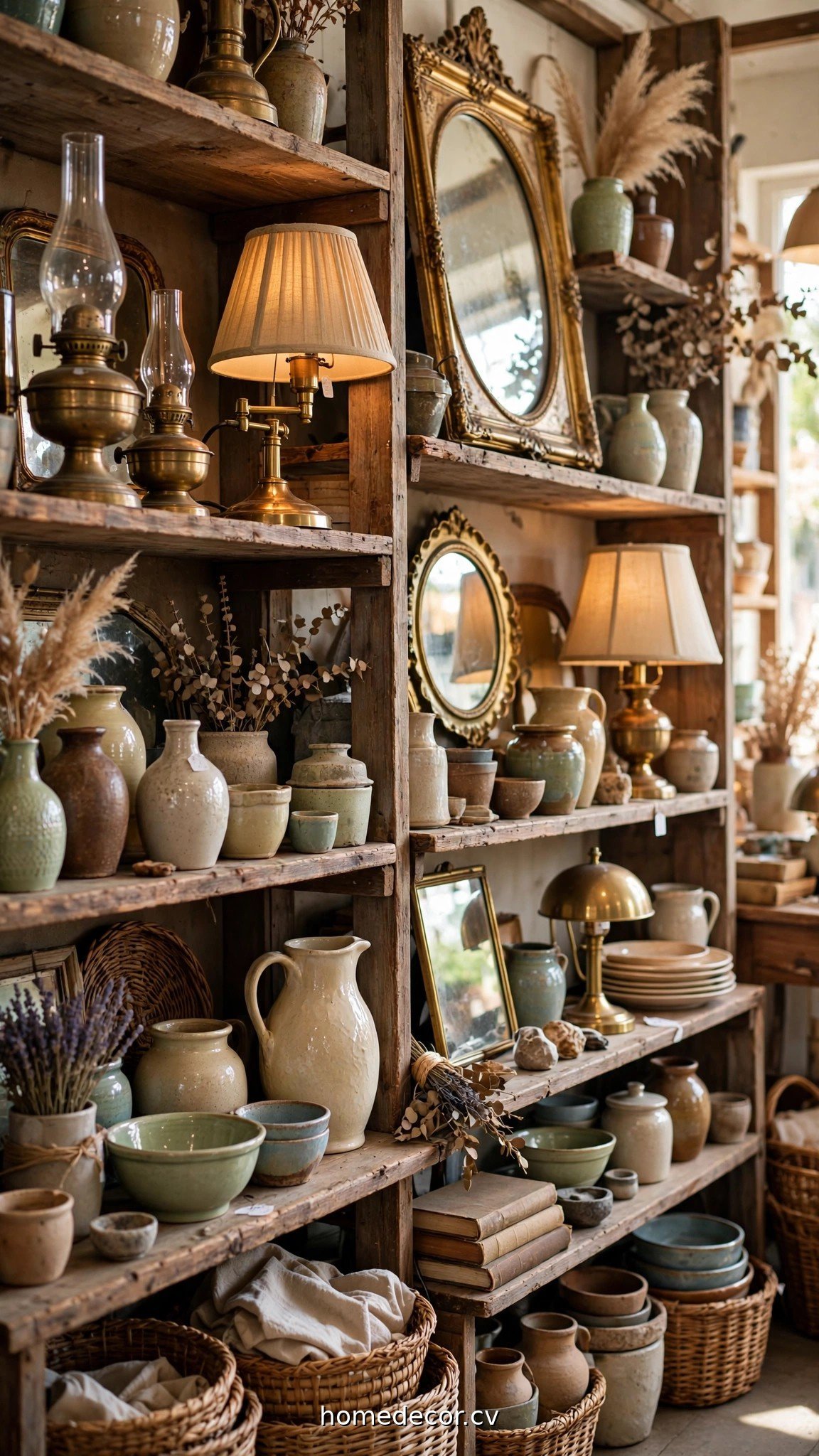
The hunt is half the fun — and where you look matters.
1. Hit thrift stores on restock days
Ask your local thrift store which days they put out new donations — usually midweek mornings — and shop then. The good stuff (brass candlesticks, solid wood frames, ceramic vases) goes within hours. Make it a quick weekly habit rather than a rare expedition.
Practical tip: Check the furniture section first and the shelves second. Great smalls are common; great furniture at thrift prices disappears fast.
2. Go to estate sales in older neighborhoods
Estate sales in long-established neighborhoods are goldmines: whole households of well-kept vintage pieces sold over a single weekend. Arrive early on day one for the best selection, or late on the last day for the deepest discounts — often half price.
Practical tip: Bring measurements of your spaces and a tape measure. Estate sale finds are final sale, and that perfect sideboard is heartbreaking at two inches too wide.
3. Learn to love flea markets and antique malls
Flea markets reward patience and bargaining; antique mall booths reward careful looking at fixed prices. Both are ideal for the small stuff that adds character — vintage books, brass objects, old linens, quirky art. Go with a list of what you’re hunting so you don’t get overwhelmed.
Practical tip: Vendors expect negotiation at flea markets — offering ten to twenty percent below asking is normal, not rude. At antique malls, ask if the booth dealer takes offers; many do.
4. Raid family attics before they get cleared
The cheapest vintage source is family. Before relatives clear out a house, ask to look through the attic, basement, and garage. The “ugly old lamp” nobody wants is often exactly the brass beauty you’d pay forty dollars for at a shop.
Practical tip: Offer to help with the cleanout in exchange for first pick. You’ll get the good pieces and genuine gratitude — and the stories behind them, which are half their value.
5. Search online marketplaces with the right words
On resale sites, search “vintage” plus the item, but also try “antique,” “retro,” “MCM” (mid-century modern), and misspellings sellers use. Filter by “nearest first” and check daily — the best pieces are listed and claimed within hours.
Practical tip: Set up saved searches with alerts for your most-wanted pieces. Being the first message on a great listing beats being the best negotiator.
Vintage Pieces Worth Hunting For
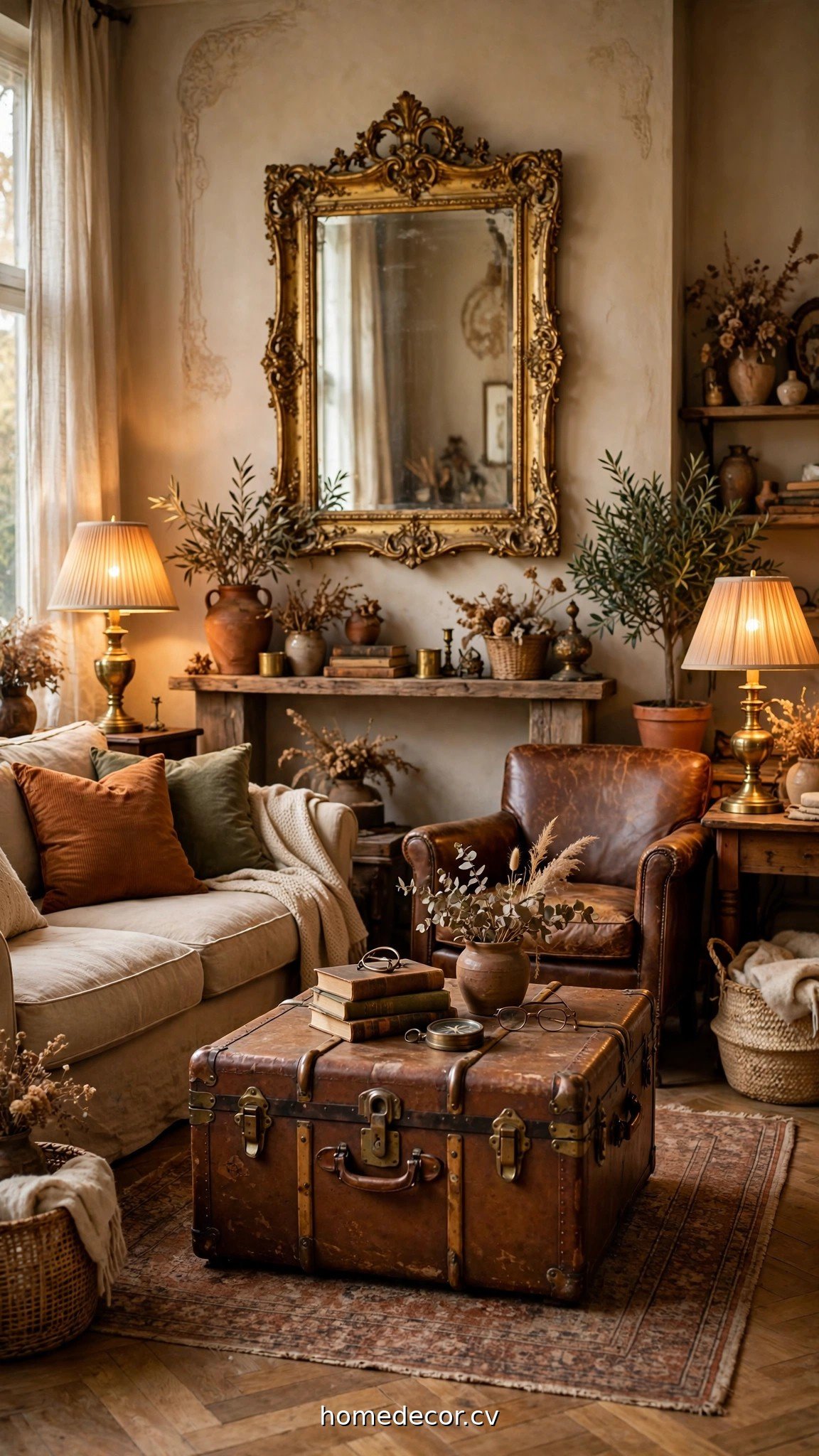
Some vintage finds deliver more style per dollar than others.
6. Hang an ornate vintage mirror
A big, ornate mirror — gold, wood, or even painted — instantly elevates any room, and vintage ones have details reproductions can’t match. Hang one over a fireplace, a console, or a dresser and watch the room transform.
Practical tip: Check the back before buying: a solid wood or plaster frame with a secure hanging wire is worth far more than a pretty front with a crumbling back.
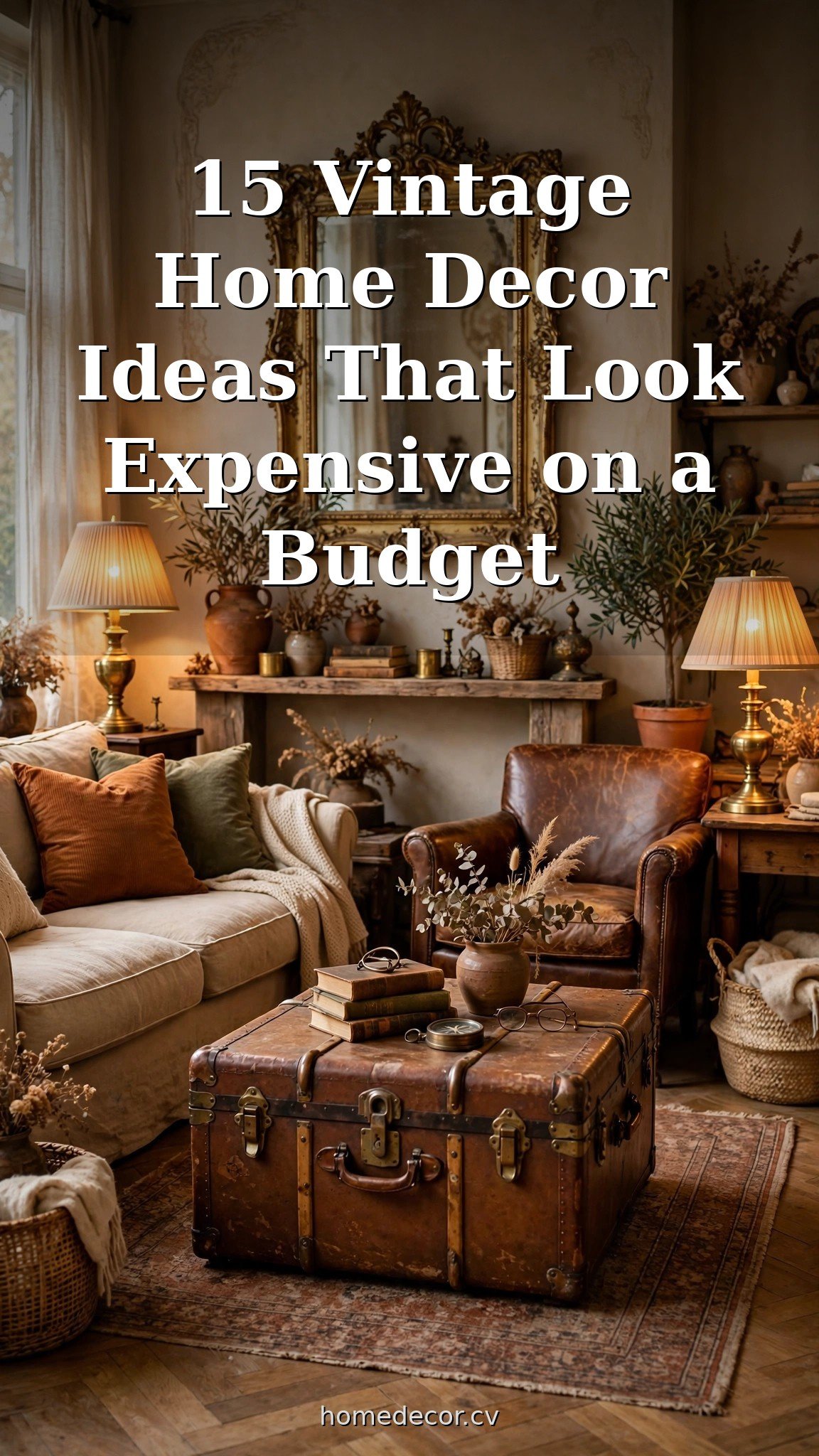
7. Use a trunk as a coffee table
Old steamer trunks and military chests make perfect coffee tables — they’re the right height, offer hidden storage, and bring instant history to a living room. Flat-topped trunks work best; dome-topped ones need a tray for stability.
Practical tip: Line the inside with cedar planks or scented liner paper — old trunks can smell musty, and the lining fixes it while protecting what you store.
8. Collect brass lamps and candlesticks
Brass is the vintage metal that never looks dated. Table lamps, candlesticks, and small objects in brass add warmth and a quiet glow to shelves and tables. A little tarnish is good — it proves they’re real.
Practical tip: Test lamps in the store if there’s an outlet nearby. Rewiring a lamp costs little, but knowing before you buy gives you bargaining power.
9. Frame vintage art and prints
Old oil paintings, botanical prints, and even interesting book plates look stunning in simple frames — and estate sales sell them for almost nothing. A wall of small vintage art, or one large moody landscape, adds the soul that new prints can’t fake.
Practical tip: Look past ugly frames. The art is what matters; a ten-dollar thrift frame with fresh paint or gold spray transforms any print.
10. Lay down a real vintage rug
A faded Persian or Turkish rug — even a small one — grounds a room like nothing else. Vintage rugs have color variations and wear patterns that make them look collected rather than decorated. Start with a runner or a 4×6 before committing to room-size.
Practical tip: Check rugs in natural light and sniff them — musty smells usually air out, but pet odors in the foundation rarely leave. Buy from sellers who allow returns.
Mixing Vintage With Modern the Right Way
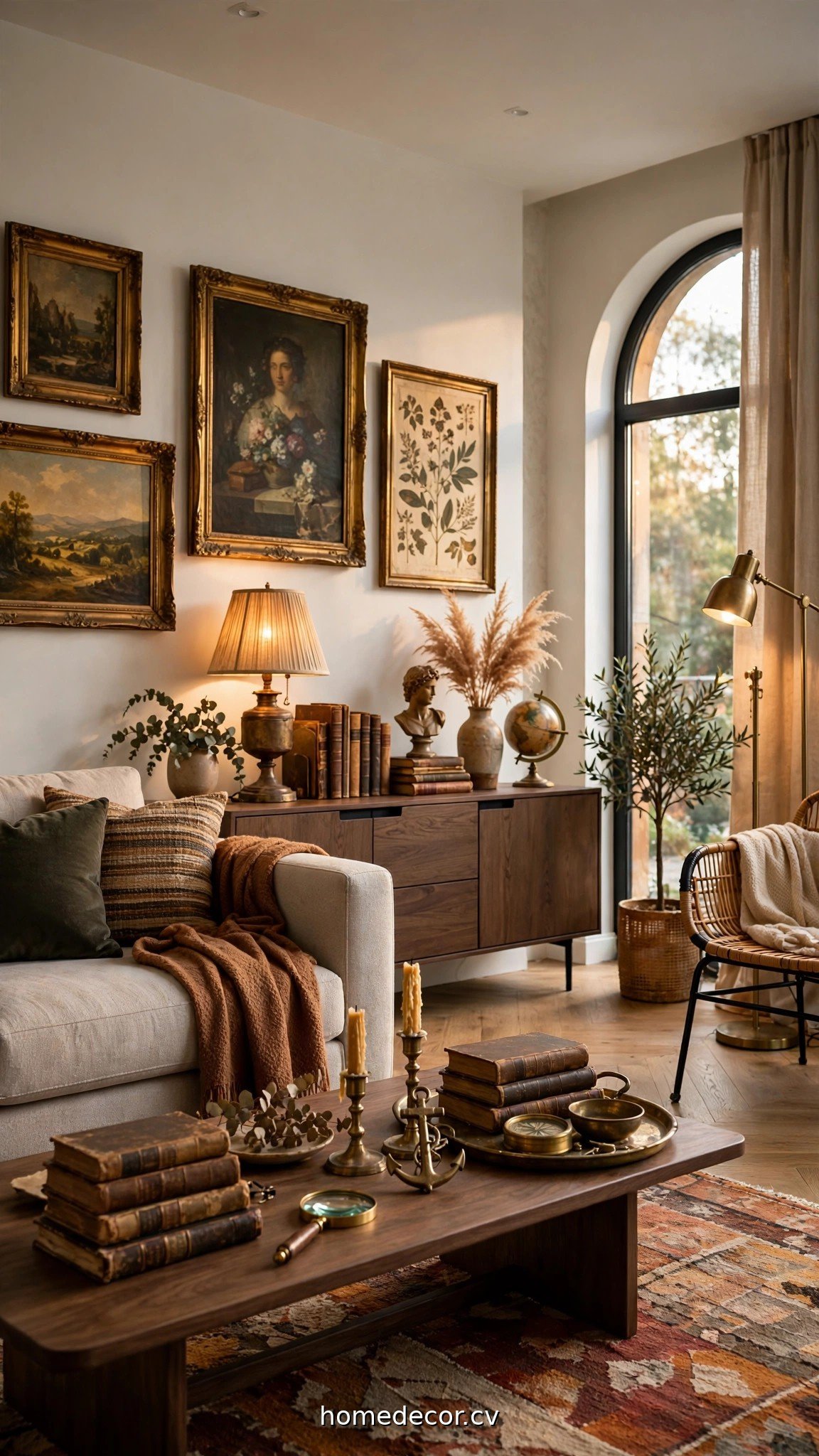
The goal is collected, not a museum.
11. Follow the 80/20 rule
Let about eighty percent of a room be current and comfortable, and twenty percent vintage character. A modern sofa with a vintage trunk coffee table and brass lamps. A new bed with vintage nightstands. The contrast is what makes both sides look better.
Practical tip: If a room starts feeling like a time capsule, remove one vintage piece rather than adding modern ones — subtraction fixes “too much” faster than addition.
12. Repeat one vintage material for cohesion
Pick one vintage element — brass, dark wood, aged leather — and repeat it three times in a room. Three brass objects read as a deliberate collection; one brass object reads as a random find. Repetition turns hunting luck into design.
Practical tip: Keep a phone photo of your existing brass (or wood, or art) when you shop — matching undertones on the spot prevents the “close but clashing” mistake.
13. Refresh tired wood with oil, not paint
Before painting a vintage wood piece, try restorative oil or wax. It revives dried-out finishes, deepens the color, and preserves the patina that makes vintage wood beautiful. Paint is permanent; oil is a reversible first step.
Practical tip: Test the oil on the back or underside first. If the finish drinks it up and glows, you’ve saved a piece. If it stays dull, then consider paint.
14. Style vintage books as decor
Old hardcovers with cloth bindings — in faded reds, greens, and blues — make beautiful shelf and table styling. Stack them, lean them, use them as risers for smaller objects. Buy them for their spines, not their content.
Practical tip: Library sales sell hardcovers for a dollar or less — build your collection by color, and don’t feel guilty about books you’ll never read. They’re decor now.
15. Let patina be the finish
Resist the urge to polish everything to new. The soft wear on a brass handle, the gentle fade on a rug, the small nicks in old wood — that’s the character you can’t buy. Clean vintage pieces well, but let their age show.
Practical tip: When in doubt, clean but don’t restore. A wiped-down, intact vintage piece almost always looks better than an aggressively refinished one.
Keep Exploring
More ways to decorate with soul on a budget:
- 15 Budget Friendly Boho Living Room Ideas Full of Soul
- 17 Gallery Wall Ideas for Beginners (With Layout Templates)
- 20 Budget Bedroom Makeover Ideas Under $100
Frequently Asked Questions
How do I start decorating with vintage if I own all new furniture?
Start small: swap in vintage lamps, a mirror, or art before tackling furniture. One vintage trunk as a coffee table or a pair of vintage nightstands changes a room’s feel without replacing everything. Build the collection piece by piece.
How can I tell if a vintage piece is good quality?
Check the weight (real wood and brass are heavy), look at joinery (dovetails beat staples), and inspect the back and underside — quality shows where makers didn’t expect you to look. Solid, heavy, and well-joined almost always means worth buying.
Is it okay to paint vintage furniture?
It’s your furniture, so yes — but try cleaning and oiling first, since original finishes have value and character paint can’t replicate. Reserve paint for pieces that are damaged beyond oiling or whose finish clashes badly with your home.
How do I keep vintage decor from looking cluttered?
Give every piece breathing room, repeat materials for cohesion, and follow the 80/20 rule — mostly current, accents vintage. Cluttered vintage is usually a spacing problem, not a quantity problem: the same ten objects with air between them look curated.
Hunt Well, Mix Boldly
These vintage home decor ideas come down to a simple truth: the most interesting homes are collected, not purchased all at once. Start with the thrift store on restock day, learn to spot good bones, and mix your finds with what you own using the 80/20 rule. Every piece with a past makes your home feel more like yours. For more ways to create a home full of character without overspending, explore our Budget DIY & Makeovers category.